⌁
01Lightning protection
Property-specific systems using strike-termination devices, conductors, bonding, grounding, and appropriate surge protection to safely manage lightning energy.
Lightning & surge protection specialists
Custom lightning and surge protection for homes, businesses, and properties across San Antonio, New Braunfels, Austin, and surrounding areas, with travel available for select out-of-state projects—backed by over 100 years of combined industry experience.
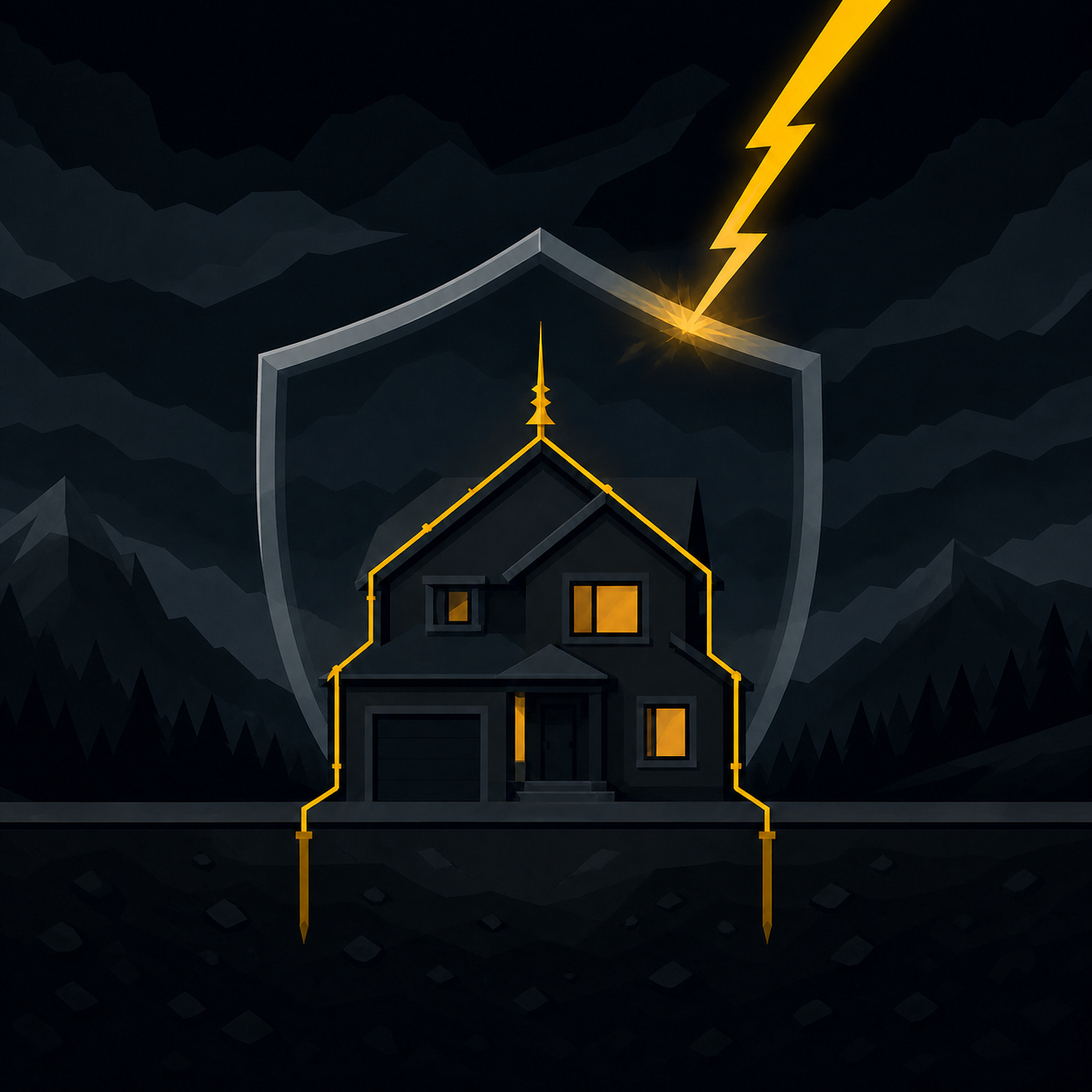
Lightning rods are placed at exposed points to intercept a strike. Heavy-duty cables carry the electrical energy along a controlled path to grounding components in the earth, while bonding helps prevent the energy from jumping to nearby metal. Surge protection helps limit damaging voltage entering through utility lines. The system does not attract or prevent lightning—it gives lightning a safer path to ground.
Every property is different. We take the time to understand your structure, exposure, and priorities before recommending a solution.
A complete structural lightning protection system is designed as an integrated whole that includes the applicable strike-termination, conductor, bonding, grounding, and surge-protection elements. Surge protection is also available as a stand-alone service. Inspections and maintenance are available for existing systems, from single-family homes to large commercial properties.
Property-specific systems using strike-termination devices, conductors, bonding, grounding, and appropriate surge protection to safely manage lightning energy.
Properly selected protection at electrical and other service entrances, with additional point-of-use protection when needed for sensitive equipment.
Visual assessments, testing when appropriate, repairs, and system reviews after reroofing, additions, or other structural changes.
Projects we're proud of
Lightning Defenders has brought its expertise to complex residential, commercial, and government properties, building on Gary and Scott's extensive prior industry experience.
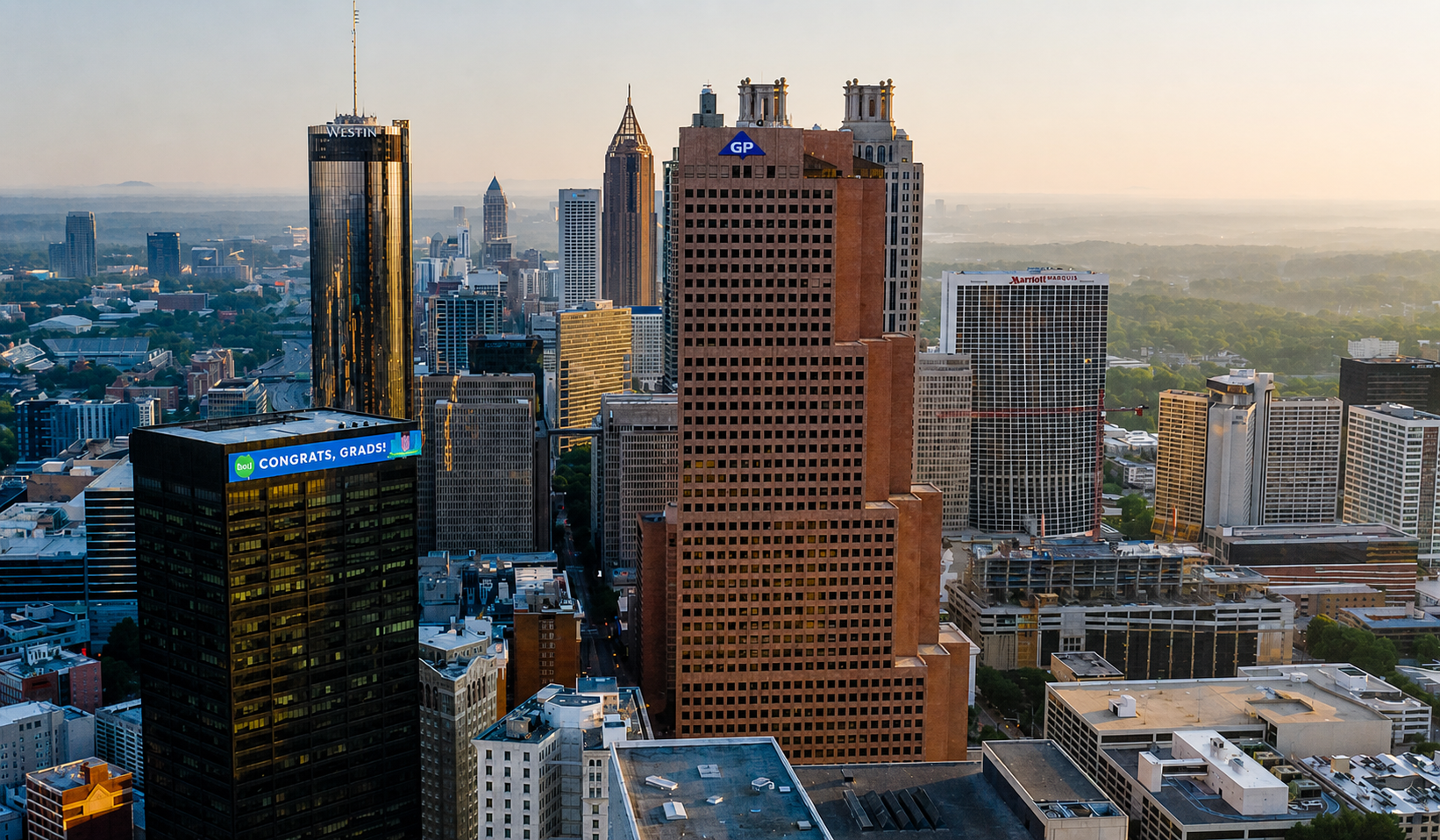
Atlanta, Georgia
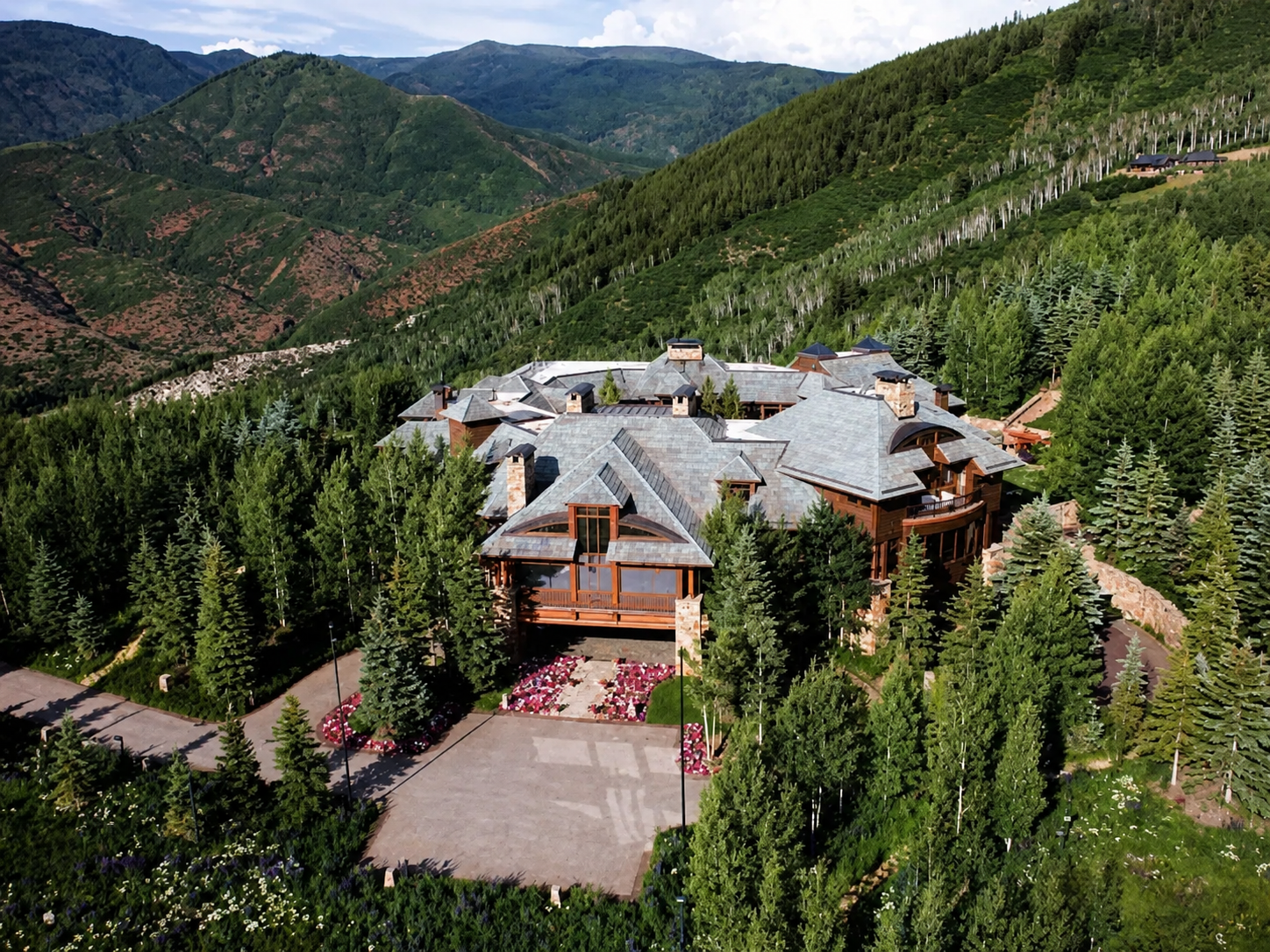
Aspen, Colorado
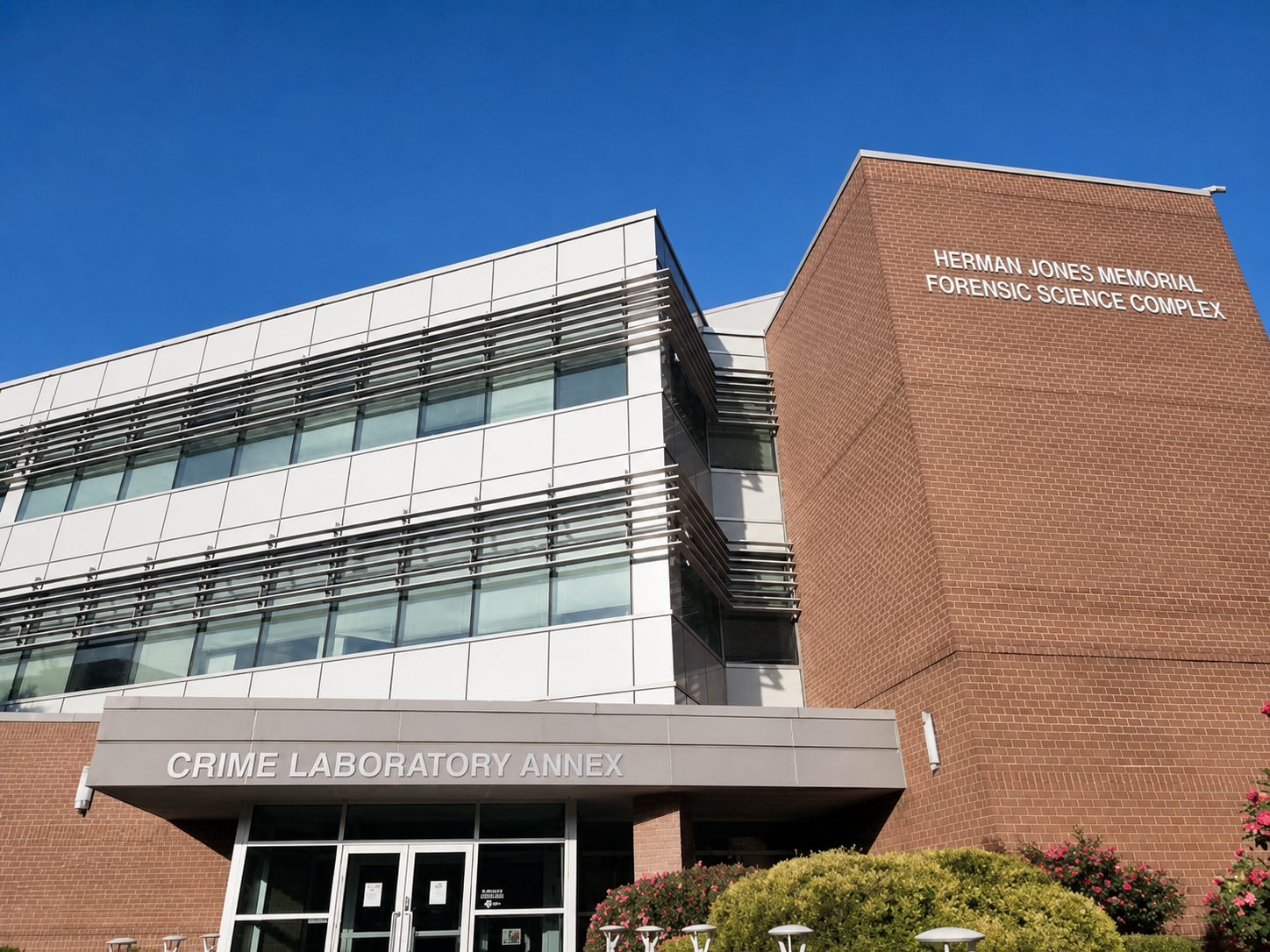
Forensic science facility · Georgia
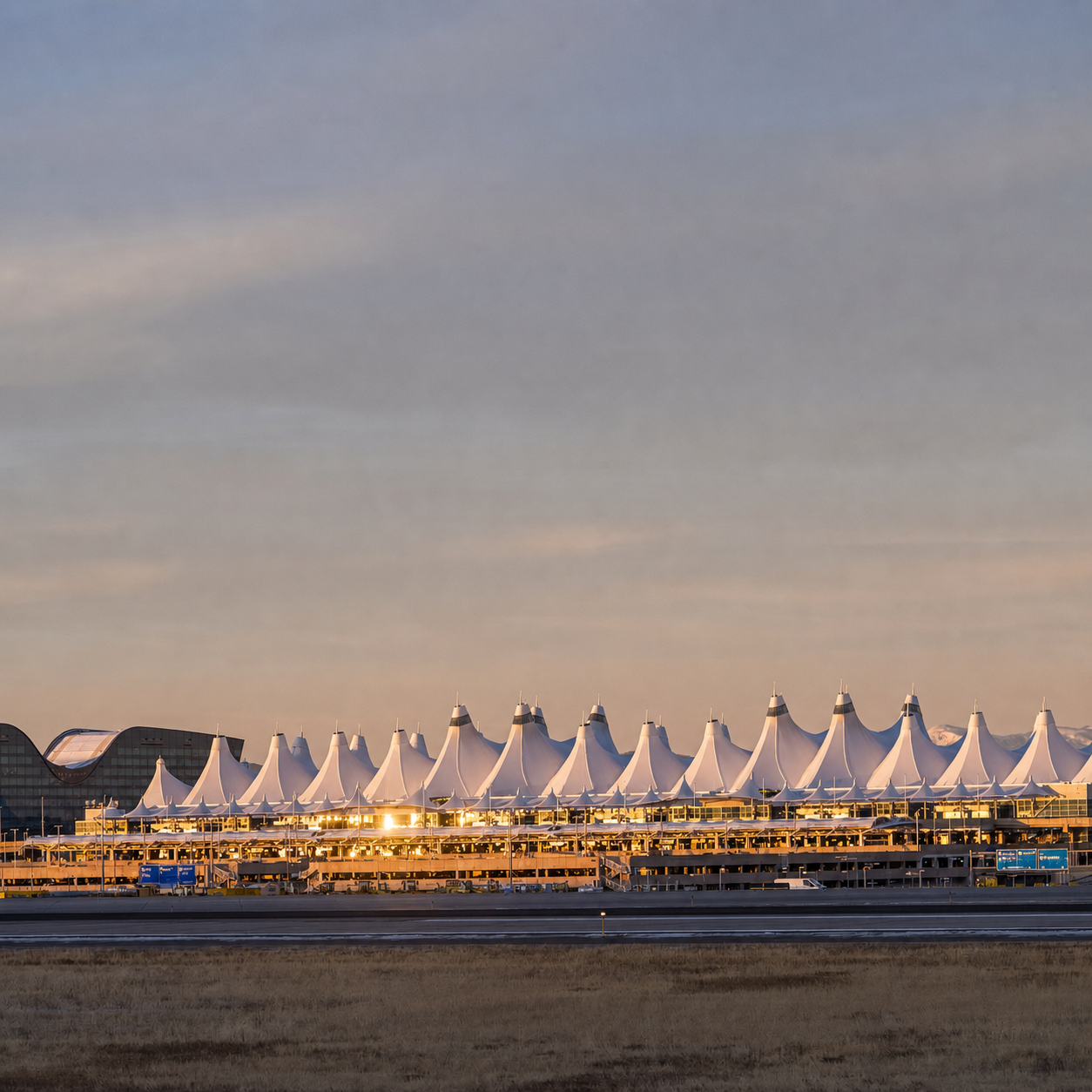
System redesign for the tented terminal structure
The Georgia-Pacific Center, Aspen residence, and Georgia Bureau of Investigation facility were Lightning Defenders projects. The Denver International Airport project was completed by Gary and/or Scott while working with a previous company and is included here solely to reflect their prior professional experience.
Real work by our team on complex properties where careful planning, safe access, and dependable installation matter.
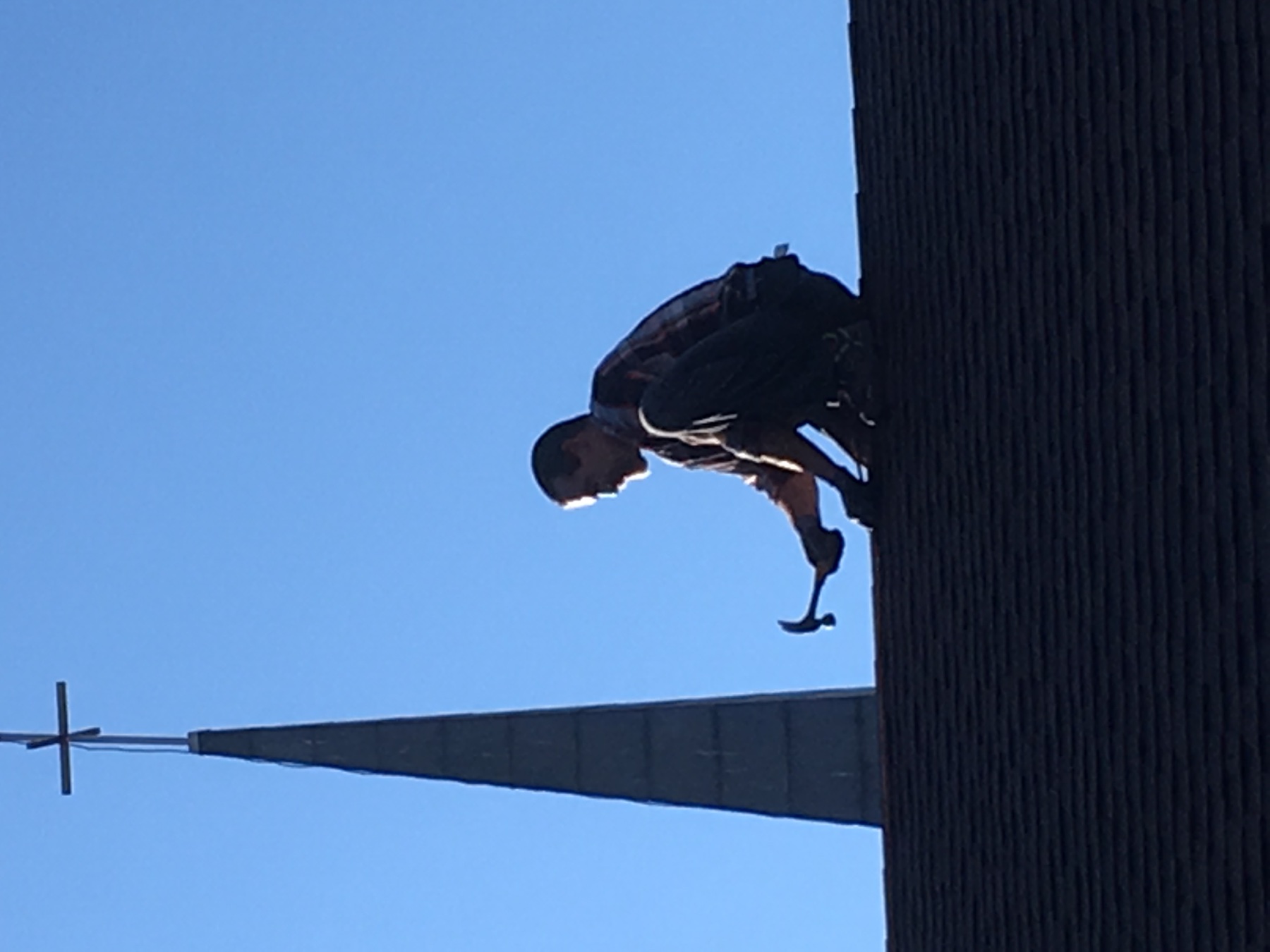
Careful rooftop work performed by our team during an installation project.
From the first conversation through installation and follow-up, every project is assessed, designed, and quoted for the specific property. Any inspection or certification requirements are identified as part of the project scope.
Tell us the location, property type, and your concerns. Plans or photos are helpful when available.
We visit the site or review the available plans and photos to evaluate the structure, exposure, and protection needs.
We explain the recommended scope—lightning protection, surge protection, or both—and provide clear pricing.
We finalize a property-specific system layout and coordinate an installation schedule that works for you.
We install the system, review the completed work with you, and discuss any inspection or ongoing maintenance needs.
Built to recognized standards
Our systems are designed and installed to the applicable requirements of nationally recognized lightning protection standards. When a project requires formal certification, compliance is verified through an independent inspection program.
About Lightning Defenders
Lightning Defenders is a family-built lightning and surge protection company shaped by generations of hands-on experience.
Our roots in the industry reach back to the 1950s, when Gary learned the trade alongside his father. What began there grew into a family legacy of building and operating lightning protection companies across multiple states—always grounded in skilled workmanship, dependable service, and doing the job right.
Scott continued that tradition when he entered the lightning protection industry in 1993. He began as a technician and went on to gain experience in estimating, project management, systems development, and business ownership, bringing both field expertise and leadership to the next generation.
Over the decades, our family has protected everything from homes and commercial properties to aerospace facilities, data infrastructure, military installations, and high-security government projects across the United States.
Today, Lightning Defenders carries that experience forward with the same values that have guided our family from the beginning: honesty, integrity, superior craftsmanship, and a commitment to getting every job done right.
Decades of experience. Generations of knowledge. Protection you can trust.
Start a conversation →Common questions
Lightning protection can feel complicated. Here are straightforward answers to the questions property owners ask most often.
No. Strike-termination devices—often called air terminals or lightning rods—do not attract, repel, or prevent lightning. They are positioned as part of a complete system to intercept a strike and connect it to controlled paths leading to the grounding network.
Surge protection can be installed as a stand-alone service. A complete structural lightning protection system is an integrated system whose applicable elements include strike termination, conductors, bonding, grounding, and service-entrance surge protection. We can also inspect and maintain existing systems.
Surge protection helps limit damaging transient voltages entering through power, communications, and other service lines, but it does not intercept a direct strike or replace a structural lightning protection system. Additional point-of-use protection may also be appropriate for sensitive equipment.
Modern systems can often be designed to follow rooflines and blend with a property's materials. Visibility varies by structure, but appearance is considered alongside safety, performance, and recognized installation requirements.
Yes. Systems can be designed for new construction or added to existing properties. Existing systems should be reviewed after reroofing, additions, remodels, structural changes, or work that may have moved or disconnected system components.
Request a quote
Tell us a little about your property and what you need. We'll follow up to learn more and prepare a quote specific to the job.